How to Build a Bird Box (and Which of Our Plans to Pick)
How to Build a Bird Box (and Which of Our Plans to Pick)
Hole sizes, materials and where to hang it, to go with our seven free nest box plans
A nest box takes an afternoon, a few offcuts and one drill bit, and it can house a brood every spring for ten years. Our free bird box plans give you seven designs, from Blue Tit and Robin up to Starling and Spotted Flycatcher, each with a cut list, a diagram and a printable PDF. This post covers the bits the plans assume you know.
Pick the right box for the bird
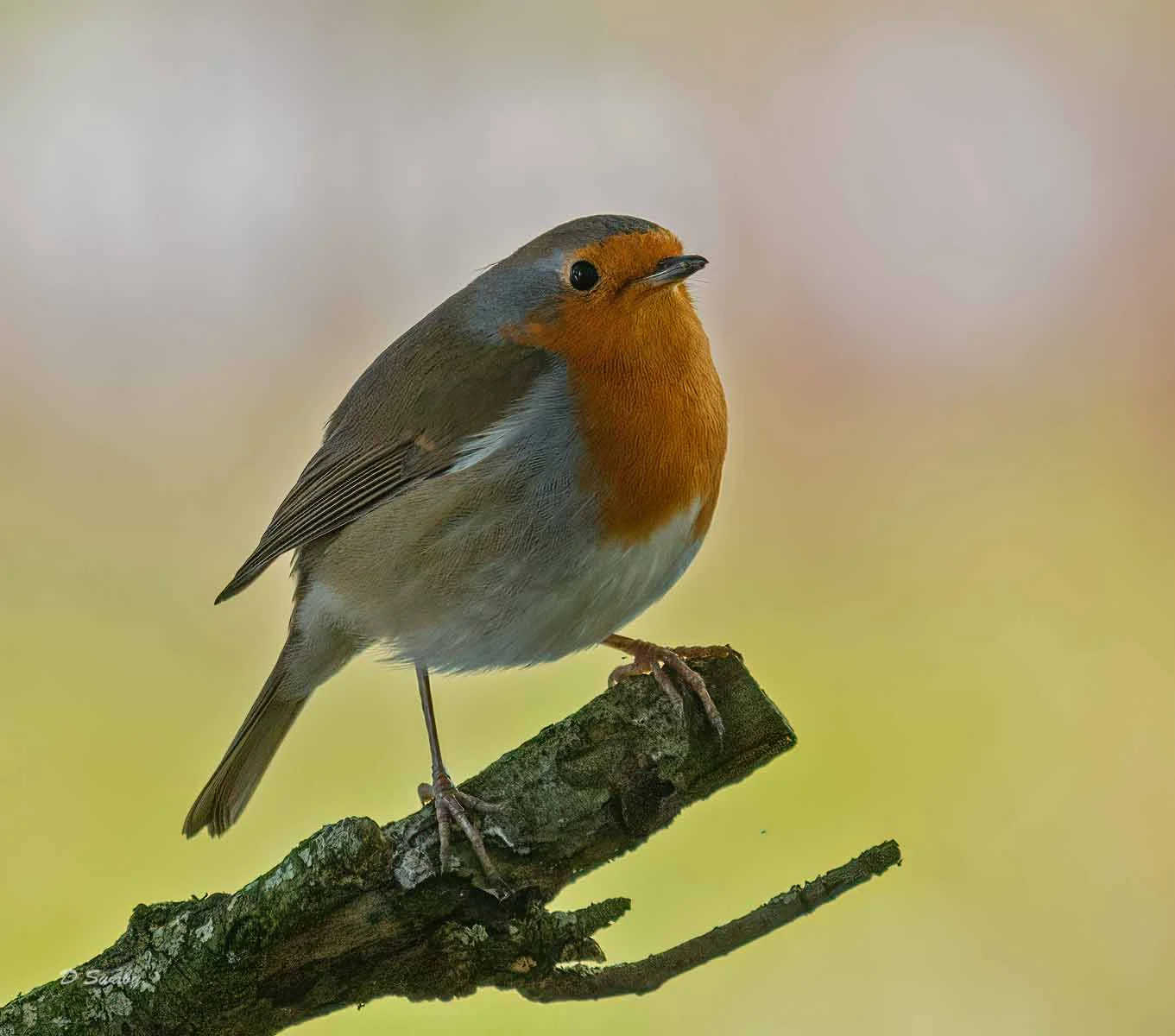
Small boxes come in two kinds. Hole-fronted boxes suit tits and sparrows, and open-fronted boxes suit Robins and Spotted Flycatchers. With a hole-fronted box, the hole size decides who moves in, so drill the smallest hole your target bird needs.
| Bird | Box type | Entrance hole |
|---|---|---|
| Blue Tit, Coal Tit, Marsh Tit | Hole-fronted | 25 mm |
| Great Tit, Tree Sparrow | Hole-fronted | 28 mm |
| House Sparrow, Nuthatch | Hole-fronted | 32 mm |
| Starling | Large hole-fronted | 45 mm |
| Robin, Spotted Flycatcher | Open-fronted | Half-open front |
Hole sizes for tits, sparrows and Nuthatch are the BTO’s recommendations. If you can only buy one bit, the BTO suggests 32 mm, as any common small bird can use it.
Materials
- Wood at least 15 mm thick. Thinner boards warp and don’t insulate the chicks from heat or cold.
- Softwood such as pine or cedar. It’s easy to cut and its resins make it last. Ask a timber merchant for offcuts.
- Screws or galvanised nails. Glue can help, but never rely on it alone; the joints split as the wood moves.
- A strip of old inner tube or damp-proof membrane for a waterproof roof hinge.
- Water-based preservative for the outside only. Leave the inside bare.
Building it
- Print the PDF for your chosen box from the bird boxes page and mark every panel out on one plank before cutting, using the cut list.
- Drill the entrance hole in the front panel before assembly; it’s far easier on a flat board. Keep it at least 125 mm above the floor so cats and squirrels can’t reach in.
- Drill two or three 5 mm drainage holes in the floor panel.
- Fix the sides to the back, then the floor, then the front. Set the floor slightly inside the walls so rain runs off rather than in.
- Fit the roof with the rubber hinge so it opens fully for cleaning, and add a hook-and-eye catch to keep it shut.
- Never add a perch. Birds don’t need one, and it helps predators.
Putting it up
- Face the box between north and east, away from strong sun and the wettest winds.
- Tit boxes go 2 to 4 m up on a tree or wall. Open-fronted Robin boxes go lower, hidden in ivy or a thick shrub. Spotted Flycatchers like a box on a wall with a clear view out.
- Tilt the box slightly forward so rain runs off the front.
- Keep it away from feeders and bird tables; busy traffic puts nesting birds off.
- Get it up by February. Many birds start prospecting in late winter.
Looking after it
Clean boxes out between September and January, once you’re sure they’re empty. Wear gloves, remove the old nest, and scald the inside with boiling water. Old nests can carry fleas and mites. By law in the UK, unhatched eggs can only be removed between August and January.
A local wish list
Tree Sparrows have been a priority at the Flashes for years. The 2016 Sandbach Flashes Bird Report asked for volunteers to make Tree Sparrow boxes. Build one with a 28 mm hole, and put it up near hedges and farmland if you’re in the area.
If a box of yours gets used, send us a photo through the contact page. We’d love to share it.