Getting Close: Macro Photography of Insects
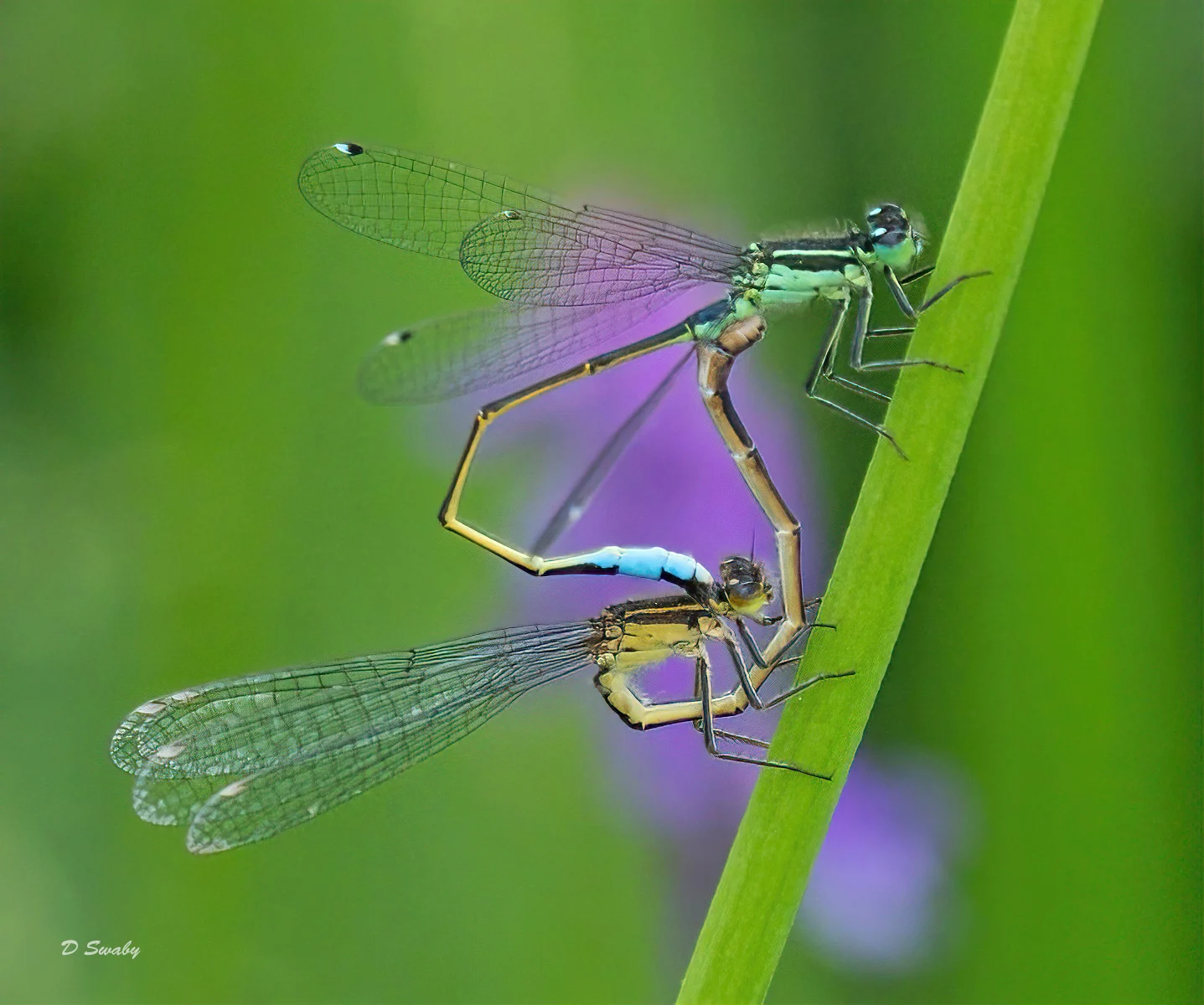
Getting Close: Macro Photography of Insects
Light, not lenses, is the secret to sharp dragonflies, hoverflies and dew-covered spiders
The secret to sharp insect photos is light, not lenses. Macro work happens at such tiny distances that depth of field shrinks to millimetres, so you need a small aperture, a fast shutter and more light than the day gives you. Get that right and even a phone can take a good dragonfly portrait.
What you need
- A macro lens. A true macro lens reaches 1:1, so the insect is life-size on the sensor. A 90–105 mm macro is the sweet spot: enough working distance not to spook a butterfly. 150–180 mm gives even more room for dragonflies.
- Cheaper ways in. Extension tubes behind a normal lens, or a screw-on close-up dioptre, both let you focus closer for a fraction of the price.
- A flash with a diffuser. This is the single biggest upgrade. A flash freezes movement and lets you shoot at f/11–f/16. A diffuser (shop-bought, or a homemade one from a crisp tube and baking paper) softens the harsh glare.
- A phone. Modern phones have macro modes, and a clip-on macro lens works well for flowers and slow insects.
Starting settings
| Setting | Start here | Why |
|---|---|---|
| Mode | Manual | Keeps the flash and exposure consistent shot to shot |
| Aperture | f/8–f/16 | Gives enough depth to get the head and eyes sharp |
| Shutter | 1/200 s (flash sync) | The flash freezes the insect; the shutter just controls the background |
| ISO | 100–400 with flash, 800+ without | Keep noise low when you have light to spare |
| Focus | Manual, set near the closest distance | Then move yourself, not the focus ring |
Technique
- Go early. On cool mornings, insects are sluggish and covered in dew. Dragonflies roosting on reeds barely move until the sun warms them.
- Rock to focus. Set the lens at close focus and sway gently forwards and back, firing a burst as the eyes snap sharp.
- Focus on the eyes. As with birds, a sharp eye makes the picture.
- Keep the sensor parallel to the insect. Line the camera up with the wings or body so more of it falls in the thin plane of focus.
- Watch the background. Move until the background is far behind and plain, and it will blur to clean colour.
- Try focus stacking. For a perfectly sharp insect, take a series of shots at slightly different focus points and merge them. Many cameras can do this in-camera; otherwise use stacking software.
Where to look
Any pond, ditch or patch of long grass is a hunting ground: dragonflies and damselflies by water, hoverflies and bees on flowers in summer, and spiders’ webs heavy with dew in autumn.
Be kind to your subject
Never chill, pin or move an insect for a photo. Watch where you tread, keep to paths, and leave vegetation as you found it. Remember that the Flashes are a protected site on private land, so stay on roads and public footpaths.
Got a great shot? Send it to us and we may add it to the galleries.