Review of Bird News (SECOS) September 2026
Review of Bird News (SECOS) September 2026
August 2026 brought two standout birds to the flashes: a Wood Sandpiper that stayed three days, and the area’s first Willow Tit since 2014. Hot, dry weather had shrunk the water and exposed wide areas of mud, ideal for passing waders. Greenshank, Black-tailed Godwit, Ruff and up to eight Green Sandpipers all took advantage.
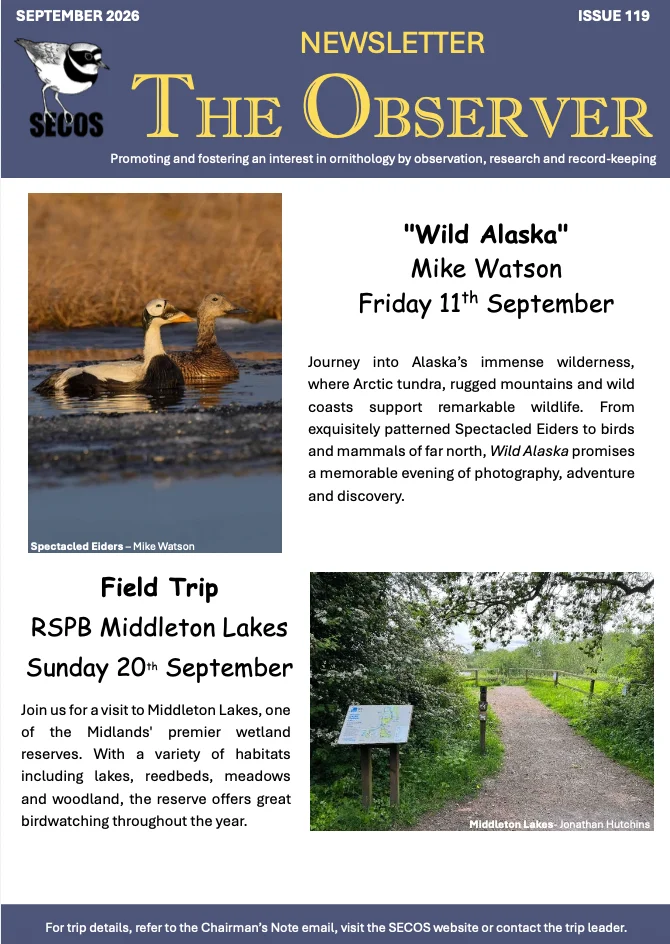
This round-up is drawn from issue 119 of The Observer, the September 2026 newsletter of the South-East Cheshire Ornithological Society (SECOS). It covers Elton Hall Flash, Pump House Flash, Railway Flash and Maw Green Tip.
Wood Sandpiper draws the crowds
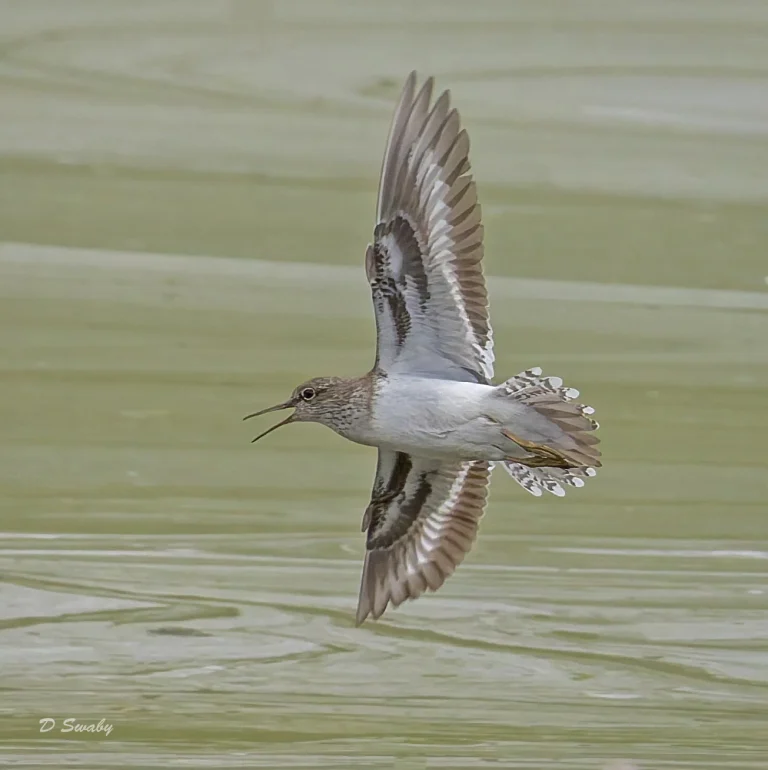
Karen Stead found a Wood Sandpiper at Pump House Flash on 4 August. Later that day it moved to Elton Hall Flash, where it showed well to a steady stream of visiting birders until 6 August.
Wood Sandpiper is scarce but fairly regular here. Single birds usually pass through in April–May or July–September. This one had good company: on the evening of the 4th it shared the mud with eight Green Sandpipers, a Common Sandpiper, a Little Ringed Plover and eight Curlew.
If you’re new to the species, look for a slim, elegant wader with long yellowish legs, a bold pale stripe over the eye, and a back speckled with white. Green Sandpiper is darker above, with greener legs and a shorter eye-stripe.
Willow Tit returns after 12 years
Rob Black found a Willow Tit on 2 August at ‘Wryneck Corner’, the spot on the edge of Maw Green Tip known locally by that name. It was the first Willow Tit in the Sandbach Flashes area since 2014.
The bird showed briefly in the bushes by the railway, then flew over Fowle Brook towards the copse beyond. Willow and Marsh Tits look almost identical, so Rob’s identification rested on two things: the distinctive call that first caught his ear, and a pale panel in the wing seen before it flew.
This matters. Willow Tit is a county rarity and is on the UK Red List, after one of the steepest declines of any British bird. CAWOS began a county survey of Marsh and Willow Tits in 2025, so if you hear one around the flashes, please send in the record.
Peak counts on the flashes
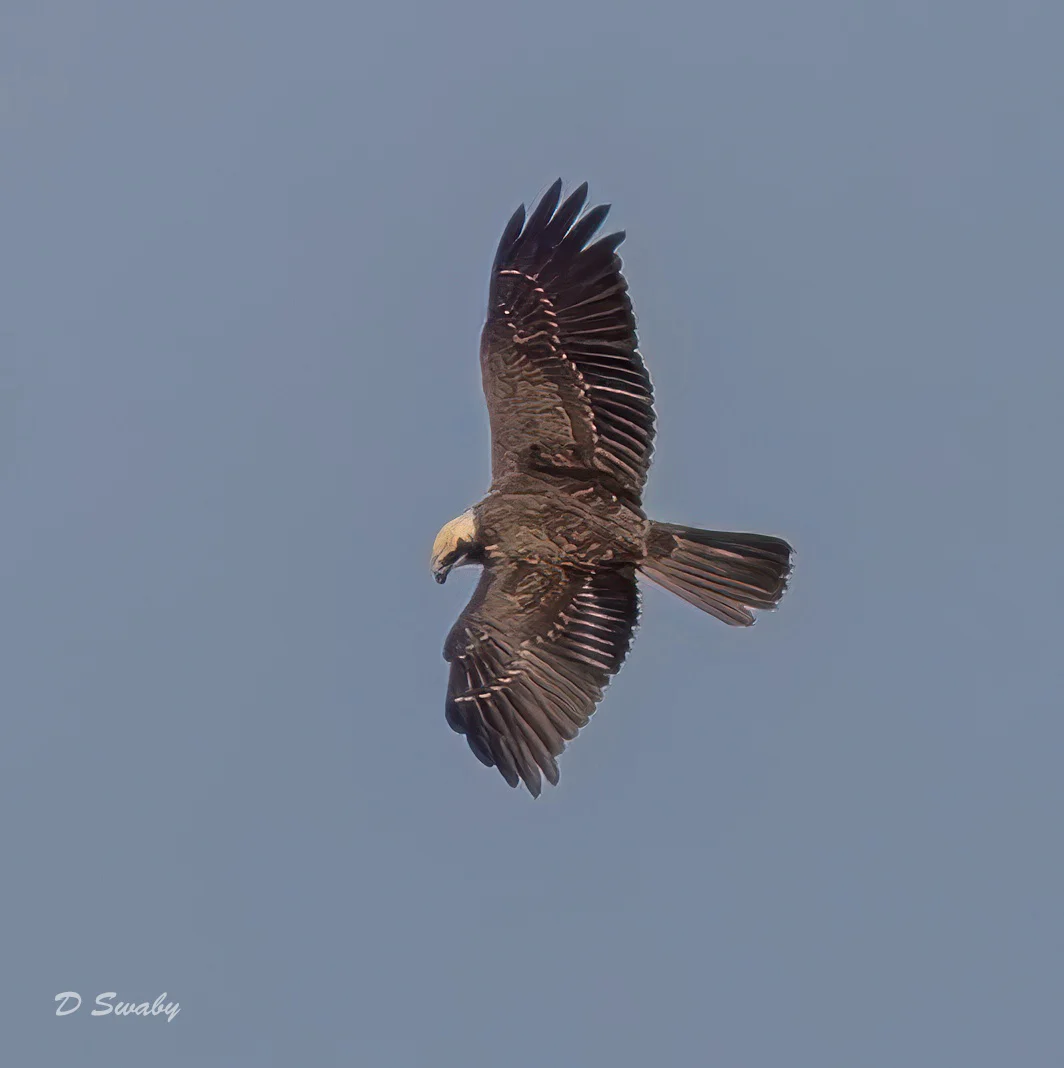
Twelve species of wader were logged on the flashes in August, led by up to 130 Lapwing. Garganey was present through the month, and Short-eared Owl, Barn Owl and Peregrine were all recorded.
| Group | Species | Count |
|---|---|---|
| Waders | Lapwing | Regular, up to c130 |
| Waders | Curlew | Regular, up to 15 |
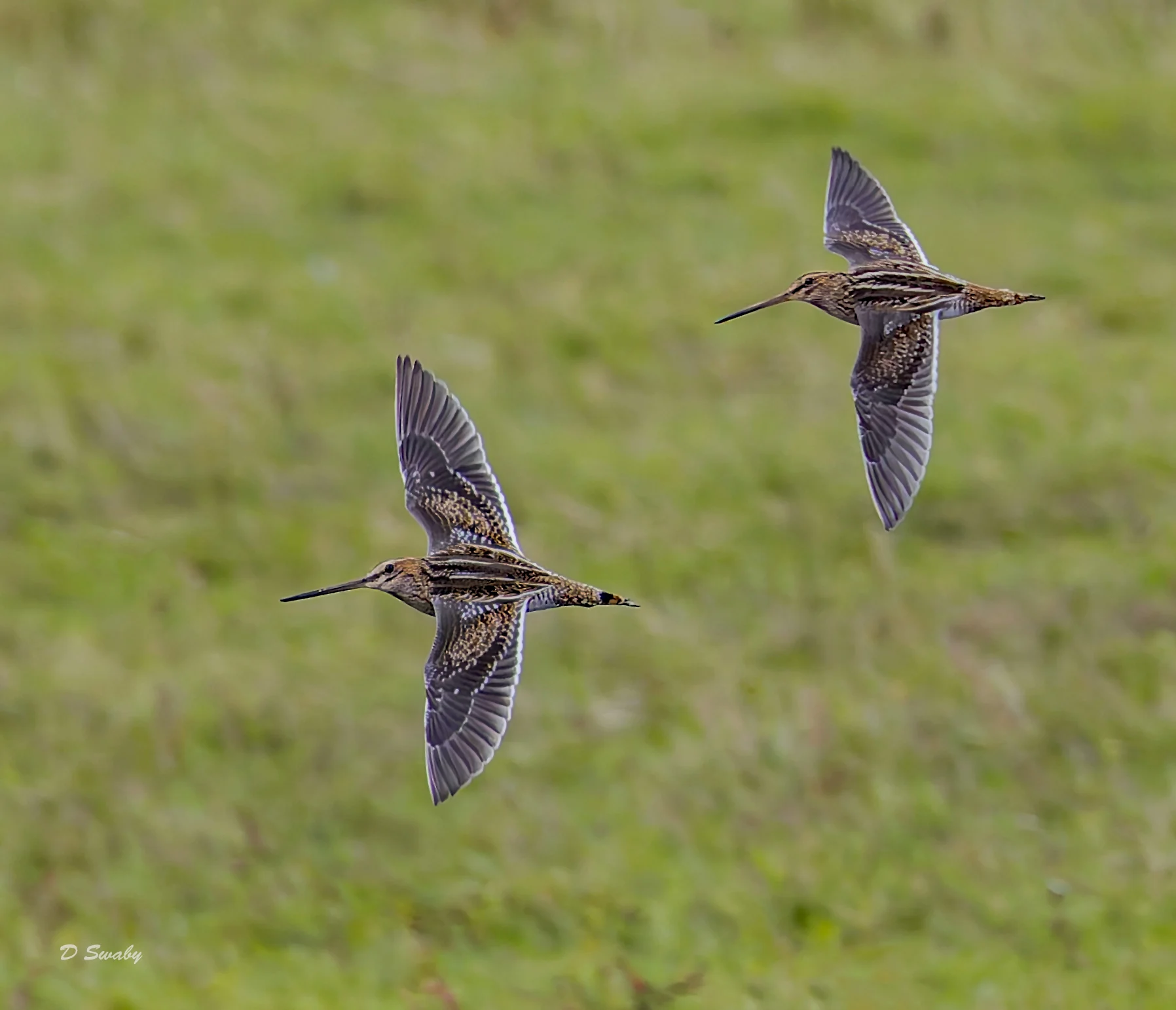
| Waders | Snipe | Regular, up to 8 |
| Waders | Green Sandpiper | Regular, up to 7 (8 on the evening of the 4th) |
| Waders | Black-tailed Godwit | Regular, up to 4 |
| Waders | Ruff | Regular, up to 4 |
| Waders | Common Sandpiper | Regular, up to 4 |
| Waders | Dunlin | 2 on the 28th |
| Waders | Wood Sandpiper | 1, 4th–6th |
| Waders | Greenshank | 1 on the 7th and 23rd |
| Waders | Little Ringed Plover | 1 on the 4th and 10th |
| Waders | Ringed Plover | 1 on the 17th |
| Waders | Water Rail | 1 on the 16th and 27th |
| Wildfowl | Mallard | Regular, up to c150 |
| Wildfowl | Canada Goose | Regular, up to 130+ |
| Wildfowl | Greylag Goose | Regular, up to 95 |
| Wildfowl | Teal | Regular, up to c90 |
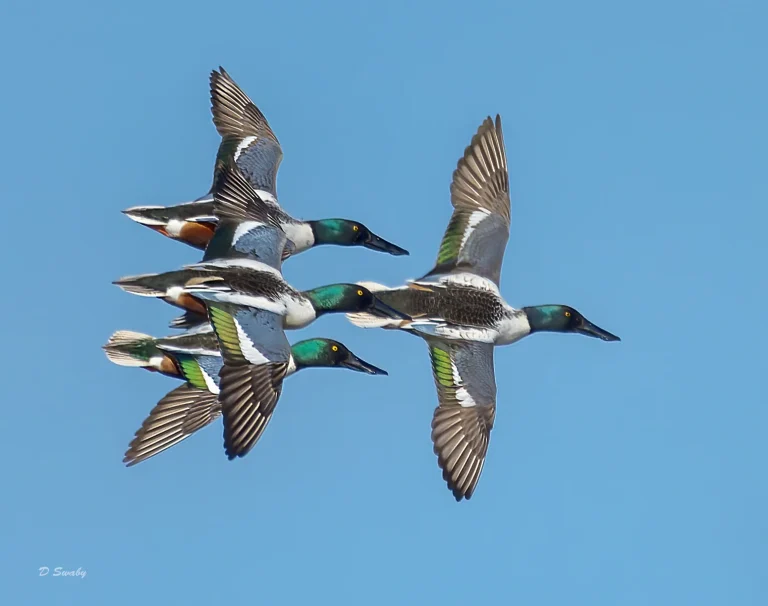
| Wildfowl | Shoveler | Regular, up to 15 |
| Wildfowl | Mute Swan | Regular, up to 12 |
| Wildfowl | Shelduck, Gadwall | Regular, up to 10+ each |
| Wildfowl | Garganey | Regular, 1 |
| Wildfowl | Great Crested Grebe | 4 on the 6th |
| Wildfowl | Mandarin Duck | 3 on the 29th |
| Wildfowl | Goosander | 3 on the 19th |
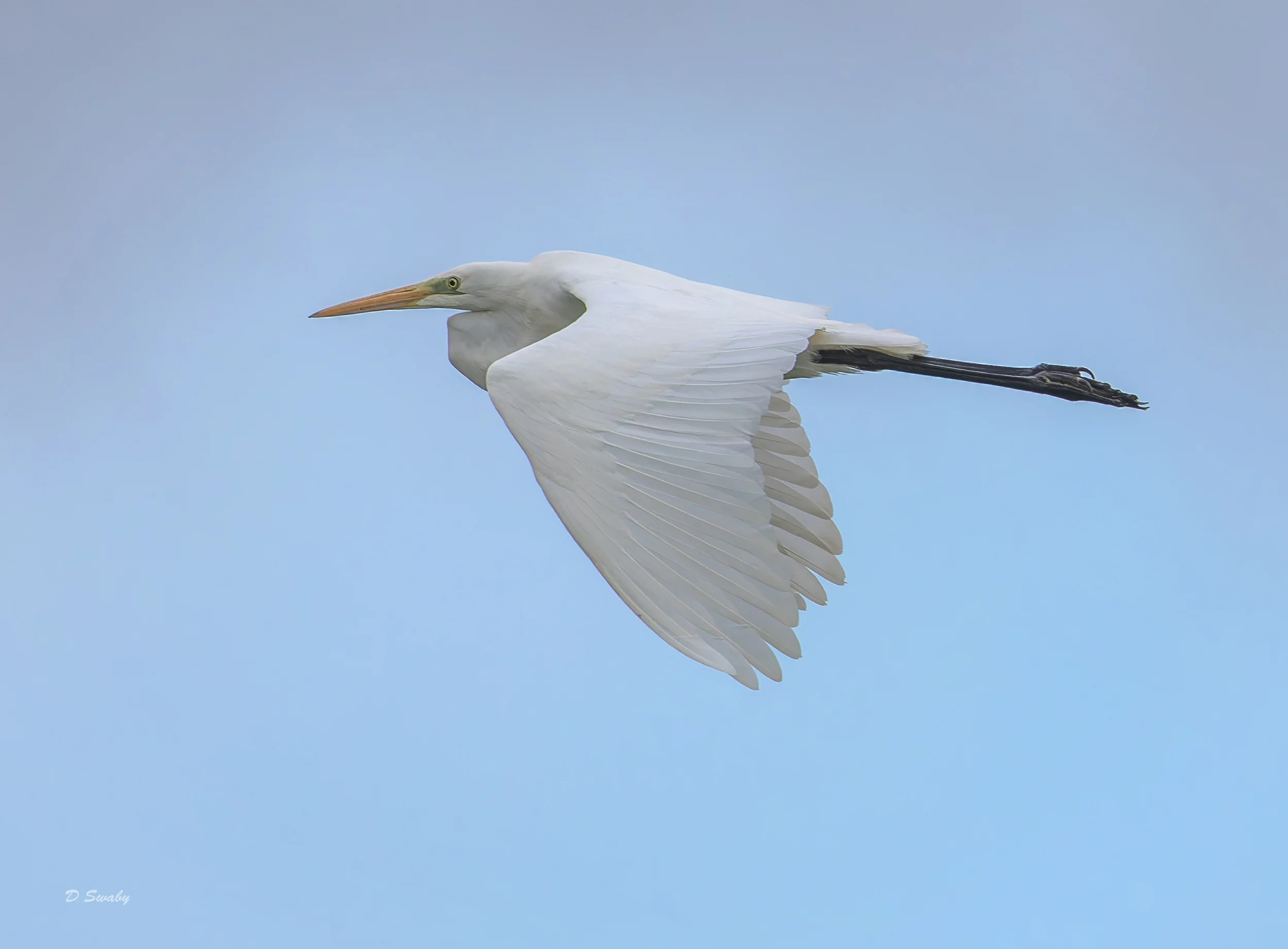
| Herons and egrets | Great White Egret | Regular, 1 |
| Herons and egrets | Little Egret | 1 on the 18th |
| Gulls | Black-headed Gull | Regular, up to c250 |
| Gulls | Lesser Black-backed Gull | Regular, up to 60 |
| Gulls | Common Gull | 3 on the 19th |
| Gulls | Yellow-legged Gull | 1 on the 19th |
| Raptors and owls | Barn Owl | 1 on the 2nd |
| Raptors and owls | Red Kite | 1 on the 3rd |
| Raptors and owls | Peregrine | 1 on the 18th |
| Raptors and owls | Short-eared Owl | 1 on the 31st |
| Raptors and owls | Buzzard | Up to 2 on the 24th and 26th |
| Raptors and owls | Kestrel, Sparrowhawk | Singles on several dates |
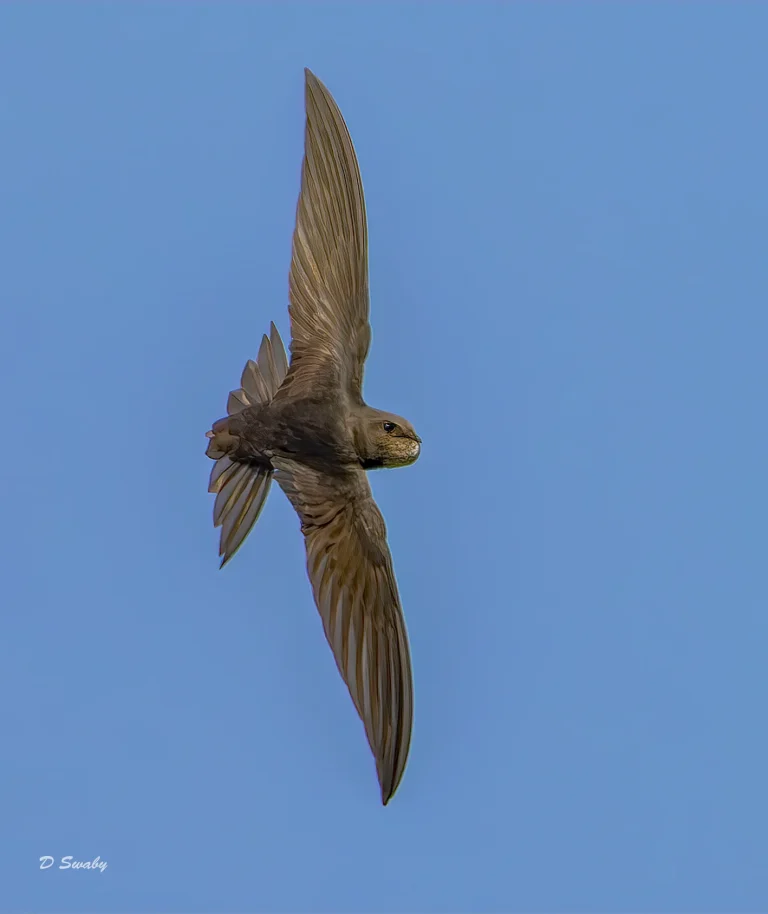
Smaller birds on the flashes included Whinchat, Stonechat, Wheatear, Yellow Wagtail, Garden Warbler, Lesser Whitethroat, Sedge and Reed Warblers, Cetti’s Warbler, Nuthatch and Bullfinch. Swifts, Sand Martins, Swallows and House Martins were all recorded too. Water Rail is listed with the waders, as the newsletter does.
August across the SECOS area
This list covers the whole SECOS recording area, not just the flashes. It shows the first date each notable species was recorded in August, from Black Swan and Ruddy Shelduck to the month’s last-day Short-eared Owl and Whinchat.
| Date | First seen in August |
|---|---|
| 1st | Common Sandpiper, Green Sandpiper, Swallow |
| 2nd | Barn Owl, Dipper, Kingfisher, Little Grebe, Swift, Willow Tit |
| 3rd | Red Kite |
| 4th | Black Swan, Curlew, Little Ringed Plover, Mandarin Duck, Wood Sandpiper |
| 5th | Black-tailed Godwit, Common Gull |
| 6th | Garganey |
| 7th | Greenshank |
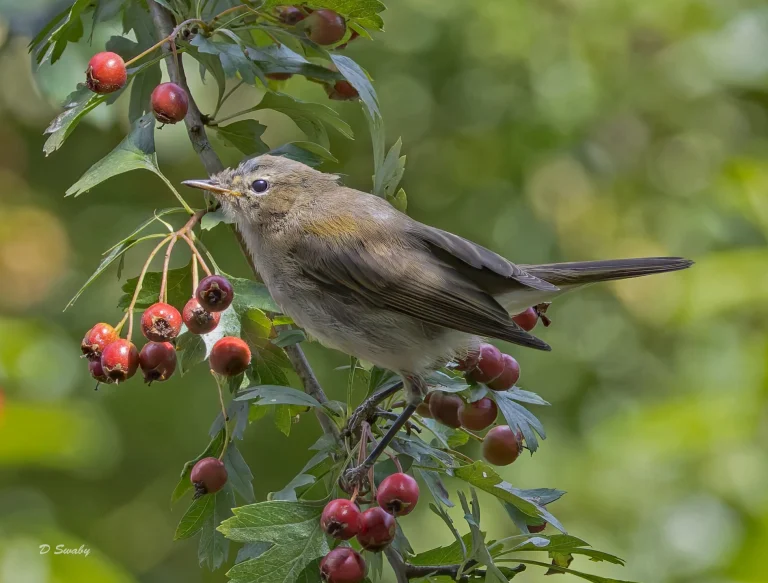
| 9th | Great White Egret, Lesser Whitethroat, Willow Warbler |
| 10th | Hobby, House Martin |
| 11th | Sedge Warbler, Snipe |
| 12th | Cattle Egret |
| 14th | Little Egret, Reed Warbler |
| 16th | Blackcap, Cetti’s Warbler, Water Rail, Whitethroat |
| 17th | Ringed Plover |
| 18th | Egyptian Goose, Ruddy Shelduck, Sand Martin, Wheatear |
| 19th | Goosander, Ruff, Yellow Wagtail, Yellow-legged Gull |
| 20th | Garden Warbler |
| 22nd | Spotted Flycatcher, Tree Pipit |
| 24th | Dunlin |
| 25th | Cuckoo |
| 26th | Little Gull |
| 31st | Short-eared Owl, Whinchat |
Around the SECOS area
Rode Pool was the pick of the other sites, with Ruddy Shelduck, Egyptian Goose, Mandarin Duck and Green Sandpiper. Hobbies were out hunting across the area.
- Rode Pool: Ruddy Shelduck, Egyptian Goose, Mandarin Duck, Green Sandpiper and Little Egret.
- Hassall, north-west of Alsager: Cattle Egret.
- Astbury Mere: Little Gull among the grebes and wildfowl.
- Congleton, River Dane: Cuckoo, Dipper, Kingfisher and Grey Wagtail.
- Scholar Green: Spotted Flycatcher and Tree Pipit. Another Spotted Flycatcher was at Elworth in Sandbach.
- Watch Lane Flash: Snipe and Common Sandpiper.
- Red Kites at Astbury, Doddington Park and Shavington.
- Hobbies at Arclid Green, Congleton Link Road and Rode Heath.
These are only a selection. SECOS keeps the full list on its sightings page.
SECOS news
September’s programme included Mike Watson’s talk Wild Alaska on 11 September and a field trip to RSPB Middleton Lakes on 20 September, led by Karina Stanley. You can read how that trip went in our September round-up.
Summarised from The Observer, issue 119 (September 2026), with thanks to the South-East Cheshire Ornithological Society, Karen Stead, Rob Black and everyone who sent in records. The newsletter’s photographs are by Dennis Swaby. To read the full newsletter and join the society, visit secos.org.uk or the SECOS Facebook page.