Photographing Birds with Today’s Cameras
Photographing Birds with Today's Cameras
Bird-eye autofocus, pre-capture and the cameras worth a look in 2026
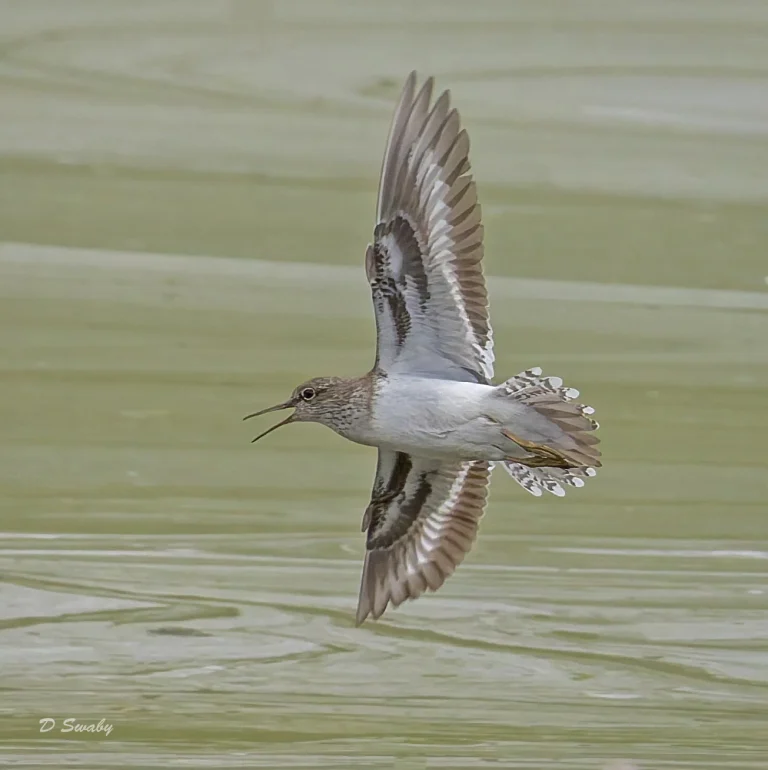
The biggest change in bird photography isn’t megapixels: it’s cameras that recognise birds. Modern mirrorless bodies find a bird’s eye in the frame and hold focus on it, and many now record the moment before you press the shutter. That turns a fleeting Kingfisher or a Snipe flushing off the Salt Pan from a lucky shot into a repeatable one.
The features that matter in 2026
- Bird eye detection. The camera finds the bird, then its eye, and tracks it across the frame. Every camera below has it. It’s the first thing to check on any body you’re considering.
- Pre-capture. Called pre-capture, pre-release or Pro Capture depending on the brand. With the shutter half-pressed, the camera keeps a rolling buffer and saves up to a second or so of frames from before you fully press. Perfect for take-offs.
- Fast, blackout-free bursts. 20 frames per second or more is now normal. Live Science’s 2026 guide suggests at least 20 fps for wildlife, more for birds in flight.
- Stacked or partially stacked sensors. They read out fast enough to avoid the bent wings and wobbly lines of older electronic shutters.
- Crop sensors for reach. An APS-C sensor (1.5–1.6x) or Micro Four Thirds (2x) makes every lens behave like a longer one, which matters on distant waders.
Cameras worth a look
These are current models picked out for birds in the Live Science 2026 wildlife camera guide, published 14 October 2026. RTINGS currently rates the OM System OM-1 Mark II as its best camera for bird photography.
| Camera | Sensor | Resolution | Max burst | Good for |
|---|---|---|---|---|
| Canon EOS R7 | APS-C | 32.5 MP | 30 fps | Beginners wanting reach on a budget |
| Nikon Z50 II | APS-C | 20.9 MP | 30 fps | Light, affordable starter kit |
| OM System OM-1 Mark II | Micro Four Thirds | 20.4 MP | 50 fps tracked, 120 fps locked | Small, light kit with long reach |
| Panasonic Lumix G9 II | Micro Four Thirds | 25 MP | 60 fps | Fast birds on a smaller system |
| Fujifilm X-H2S | APS-C, stacked | 26.1 MP | 40 fps | Birds in flight on Fujifilm |
| Nikon Z6 III | Full frame, partially stacked | 24.5 MP | 20 fps RAW | Mid-range all-rounder |
| Canon EOS R6 Mark III | Full frame | 32.5 MP | 40 fps | Enthusiasts; strong all-rounder |
| Sony A7 V | Full frame, partially stacked | 33 MP | 30 fps | Value Sony option (small buffer) |
| Nikon Z8 | Full frame, stacked | 45.7 MP | 20 fps RAW, 120 fps at 11 MP | Serious all-round wildlife |
| Canon EOS R5 Mark II | Full frame, stacked | 45 MP | 30 fps | Heavy cropping of distant birds |
| Sony A1 II | Full frame, stacked | 50.1 MP | 30 fps | Professional speed and resolution |
Lens before body
Spend on the lens first. For birds you want at least 400 mm, and 500–600 mm is better at the Flashes, where much of the action is across open water. Every major brand now makes a 100–400 mm, 150–600 mm or 180–600 mm zoom that’s light enough to handhold. Put one on an APS-C or Micro Four Thirds body and you have the reach of a 600–1200 mm lens.
Settings to start with
| Setting | Start here |
|---|---|
| Mode | Manual with Auto ISO, or shutter priority |
| Shutter speed | 1/1000 s for perched birds, 1/2500 s or faster for flight |
| Aperture | Wide open, or one stop down for sharpness |
| Focus | Continuous AF, bird detection on, wide or tracking area |
| Drive | Fastest burst, pre-capture on for take-offs |
| File | RAW, so you can rescue highlights on white birds |
Fieldcraft beats kit
- Get low. Shooting at the bird’s eye level gives a soft background and an intimate feel.
- Keep the sun behind you. Local birders avoid some viewpoints at certain times because bright sun ruins visibility. Plan around the light.
- Use the car as a hide. Many flashes are watched from the roadside, and birds often ignore a parked car. A beanbag on the window sill steadies a long lens.
- Let the bird come to you. Find a spot, sit still, and wait. Never flush a bird for a flight shot.
- Expose for the whites. Gulls, egrets and Avocets blow out easily. Dial in a little negative exposure compensation.
We’d love to see your results. Your best shots from the Flashes could end up in one of our galleries.