Birding with Care: A Simple Code for the Flashes
Birding with Care: A Simple Code for the Flashes
Put the birds first, respect the landowners, and keep the viewpoints open for everyone
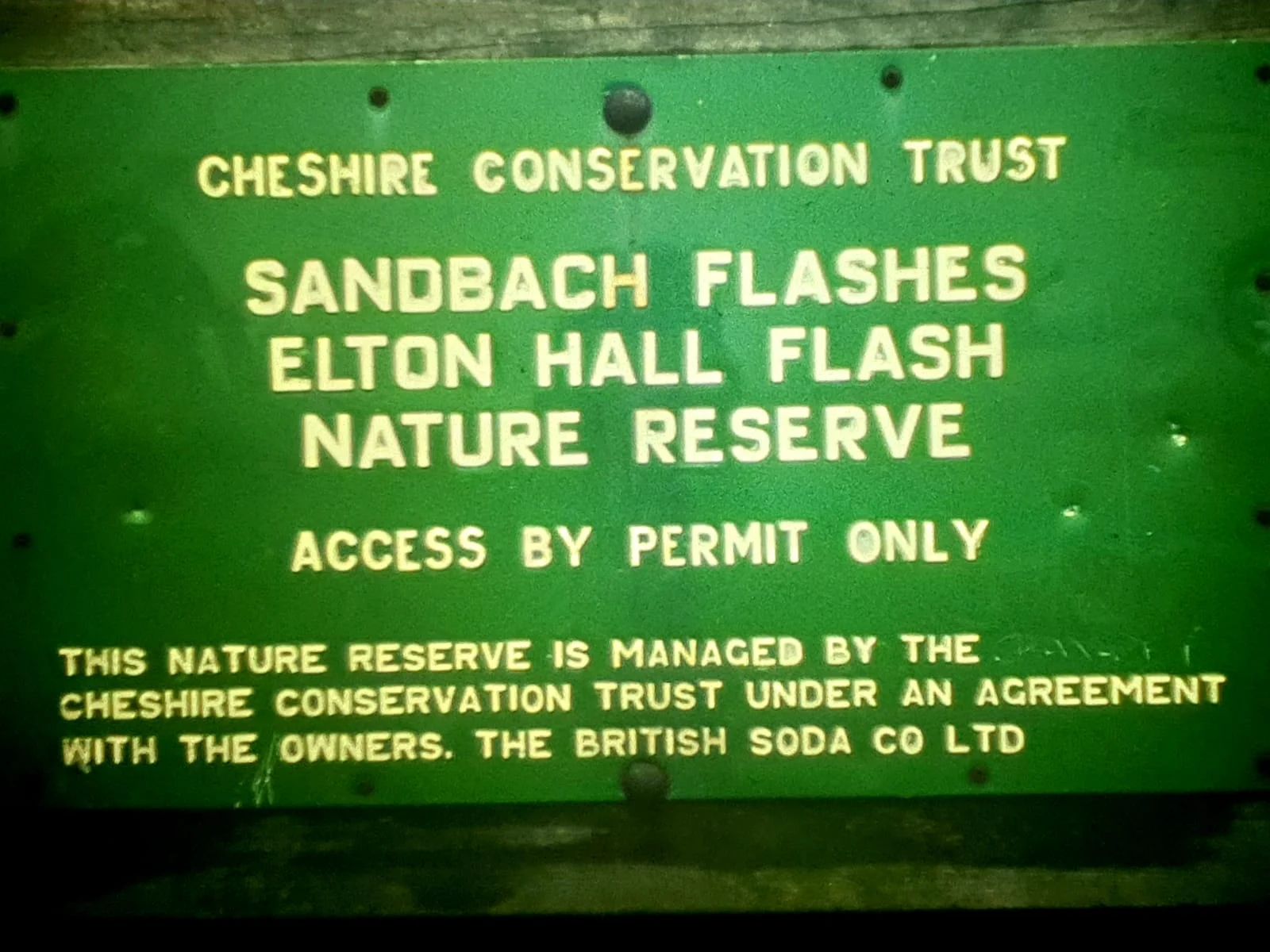
The bird always comes first. Sandbach Flashes is a Site of Special Scientific Interest on private land, and local birders keep good relations with landowners and anglers by sticking to a few simple rules. Following them keeps the birds safe and keeps the viewpoints open for everyone.
Put the birds first
- Don’t flush birds. If a bird is reacting to you (raising its head, calling, edging away), you’re too close. Step back.
- Keep away from nests. Nesting birds are protected by law. Some rare breeders also need a special licence even to approach. If in doubt, give them space and keep the location to yourself.
- No playback in the breeding season. Playing song draws a bird away from its eggs or young.
- Be careful with news of sensitive species. Share news of passing rarities freely, but think twice about broadcasting rare breeding birds or roosting owls.
Respect the site and its owners
- Stay on public roads, tracks and footpaths. All the flashes are private, and many are fished. Never cross fences or enter fields.
- Park considerately. Don’t block gateways, farm access or passing places on narrow lanes.
- Be friendly to anglers and farmers. Their goodwill is why viewpoints exist at all.
- Take your litter home, and pick up any you find.
Respect other birders
- Share the scope. If you’ve found something good, let others have a look.
- Keep the noise down at busy viewpoints.
- Help beginners. Everyone started somewhere.
Photographers too
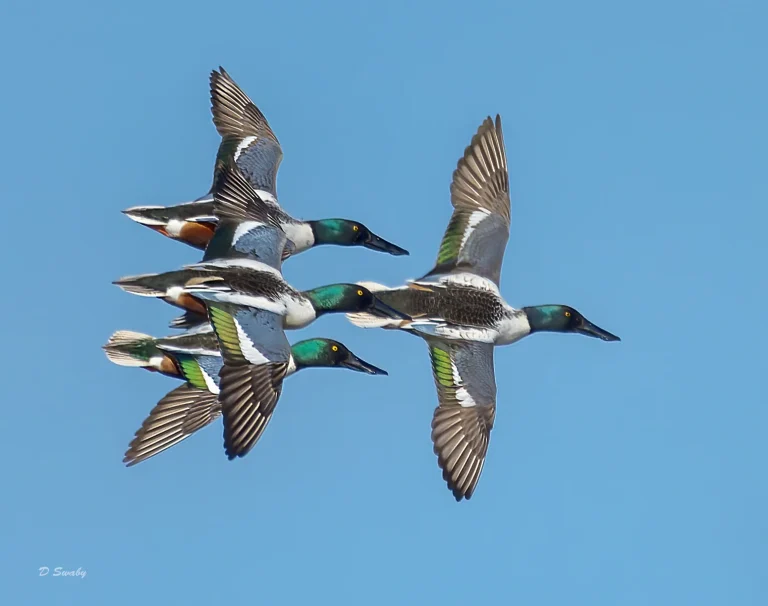
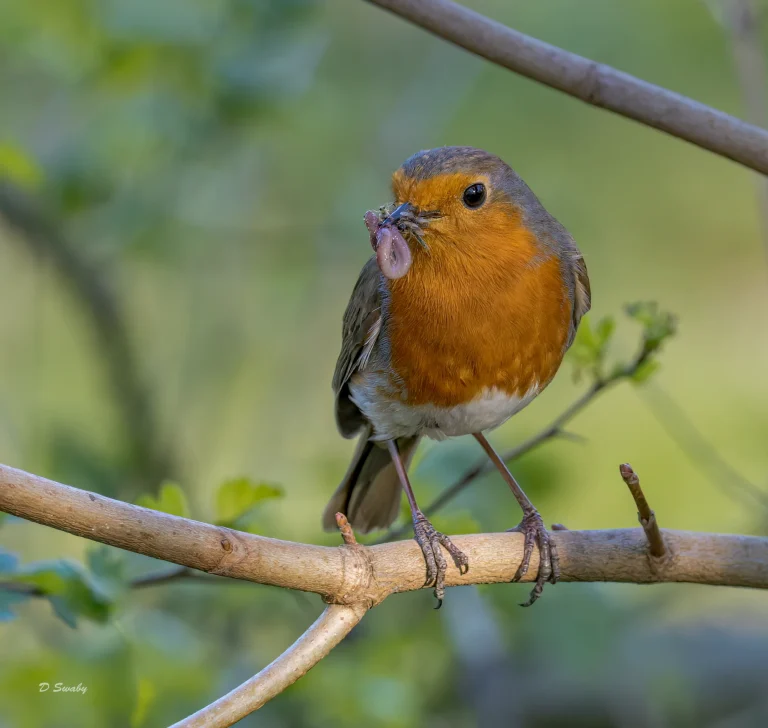
The same rules apply behind a lens. Never bait, call or chase a bird for a picture, and never cut or move vegetation around a nest. A natural photo of a relaxed bird always looks better than a frightened one.
Report problems
If you see disturbance, illegal persecution or anything that worries you, note the time, place and details. Contact the police on 101 and ask for a wildlife crime officer, or call 999 if a crime is happening now.