Review of Bird News (SECOS) August 2026
Review of Bird News (SECOS) August 2026
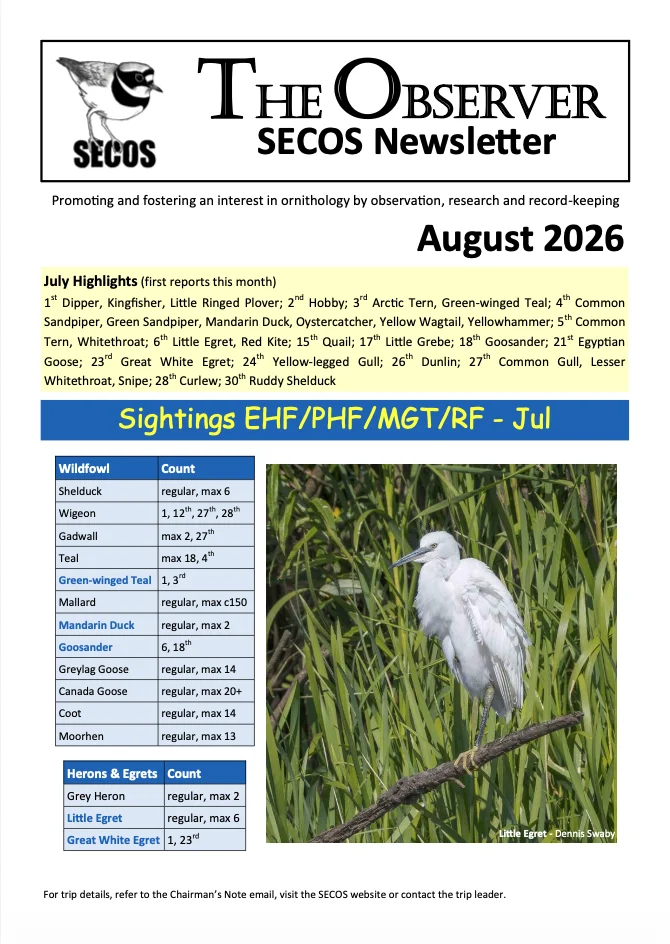
July 2026 was the month autumn passage began on the flashes. A Green-winged Teal and four Arctic Terns turned up in the first week. Little Egrets built to six, and Curlew, Dunlin and Green Sandpipers started drifting back from their breeding grounds.
This round-up is drawn from the August 2026 issue of The Observer, the newsletter of the South-East Cheshire Ornithological Society (SECOS). It covers Elton Hall Flash, Pump House Flash, Railway Flash and Maw Green Tip.
Highlights on the flashes
The flashes produced the SECOS area’s first July records of 14 species, including Green-winged Teal, Arctic Tern, Great White Egret and Yellow-legged Gull.
- Green-winged Teal, 3 July. The North American cousin of our Teal, told apart by a vertical white stripe on the side of the breast rather than a horizontal one along the wing. A good find in summer, when most ducks are in drab moult.
- Arctic Terns, 3 July. Four passed through, and up to four Common Terns were seen later, on the 28th.
- Egrets. Little Egrets were present all month, with up to six. A Great White Egret dropped in on the 23rd.
- Goosanders, 18 July. Six were on the flashes together.
- Yellow-legged Gull, 24 July. It was among up to 320 Black-headed and 105 Lesser Black-backed Gulls.
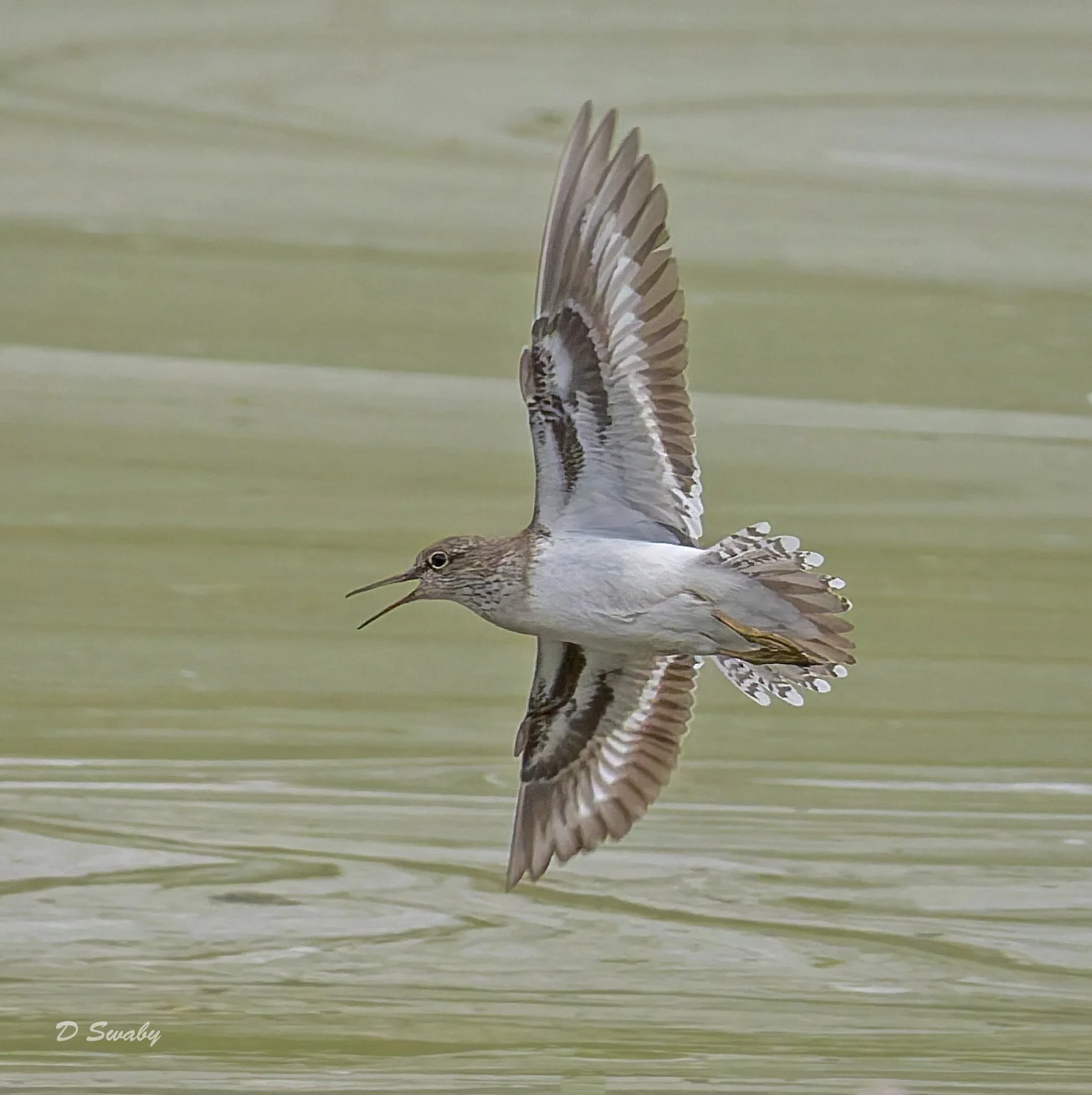
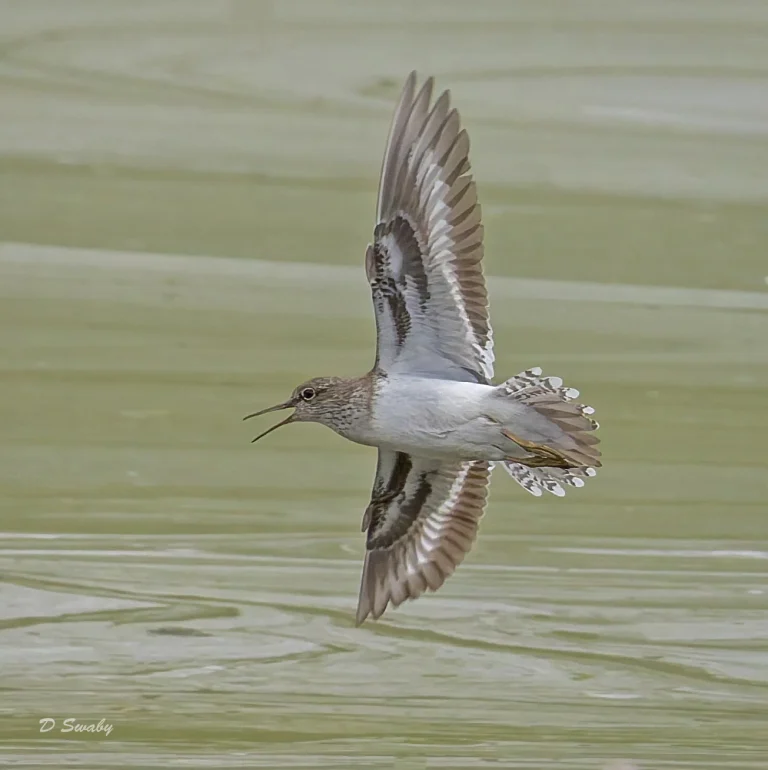
- Returning waders. Little Ringed Plover (three on the 4th), Green Sandpiper (up to five), Common Sandpiper, Oystercatcher, four Dunlin on the 26th and ten Curlew on the 30th all marked the start of autumn passage.
Mandarin Ducks were present through the month too, with up to two.
Peak counts on the flashes
Gulls were the most numerous birds, with up to 320 Black-headed Gulls. Duck numbers were still low in midsummer: Mallard peaked at about 150, but Teal only reached 18.
| Group | Species | Count |
|---|---|---|
| Wildfowl | Mallard | Regular, up to c150 |
| Wildfowl | Canada Goose | Regular, up to 20+ |
| Wildfowl | Teal | 18 on the 4th |
| Wildfowl | Greylag Goose | Regular, up to 14 |
| Wildfowl | Coot | Regular, up to 14 |
| Wildfowl | Moorhen | Regular, up to 13 |
| Wildfowl | Goosander | 6 on the 18th |
| Wildfowl | Shelduck | Regular, up to 6 |
| Wildfowl | Mandarin Duck | Regular, up to 2 |
| Wildfowl | Gadwall | 2 on the 27th |
| Wildfowl | Wigeon | 1 on the 12th, 27th and 28th |
| Wildfowl | Green-winged Teal | 1 on the 3rd |
| Herons and egrets | Little Egret | Regular, up to 6 |
| Herons and egrets | Grey Heron | Regular, up to 2 |
| Herons and egrets | Great White Egret | 1 on the 23rd |
| Waders | Lapwing | Regular, up to 60 |
| Waders | Curlew | 10 on the 30th |
| Waders | Green Sandpiper | Regular, up to 5 |
| Waders | Dunlin | 4 on the 26th |
| Waders | Little Ringed Plover | 3 on the 4th |
| Waders | Oystercatcher | 2 on the 12th |
| Waders | Common Sandpiper | Regular, 1 |
| Gulls and terns | Black-headed Gull | Regular, up to c320 |
| Gulls and terns | Lesser Black-backed Gull | Regular, up to 105 |
| Gulls and terns | Arctic Tern | 4 on the 3rd |
| Gulls and terns | Common Tern | 4 on the 28th |
| Gulls and terns | Herring Gull | Regular, up to 3 |
| Gulls and terns | Common Gull | 2 on the 28th |
| Gulls and terns | Yellow-legged Gull | 1 on the 24th |
| Raptors | Buzzard | 1 on the 1st and 14th |
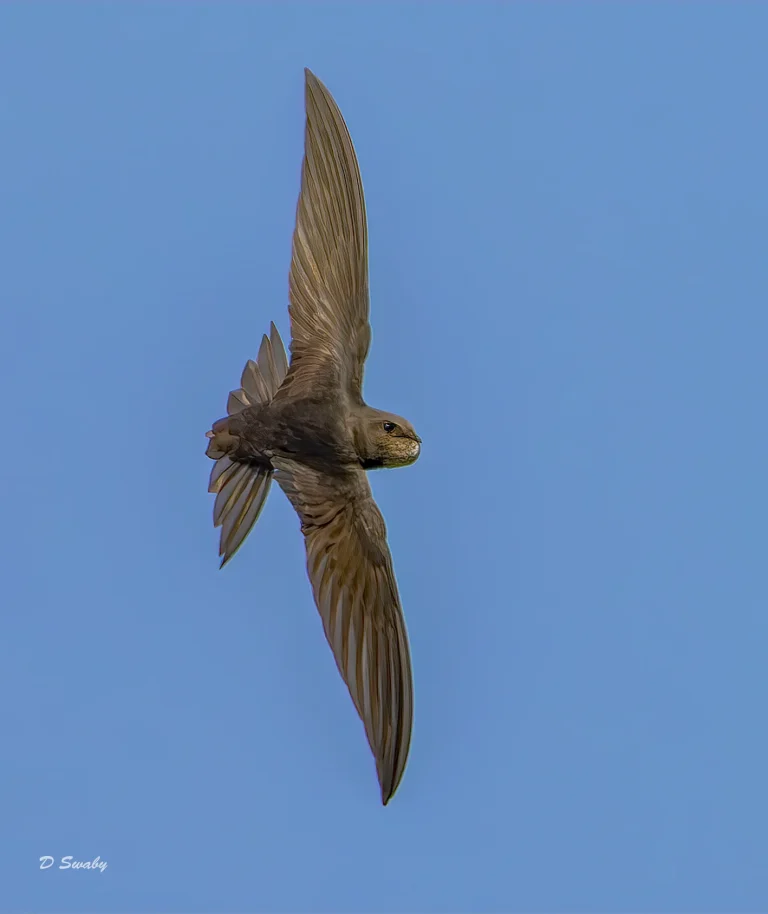
Other birds on the flashes included Swift, Swallow, Stock Dove, Jay, Mistle Thrush and Grey Wagtail. Fields Farm Flash added Hobby, Whitethroat and Yellow Wagtail.
July across the SECOS area
This list covers the whole SECOS recording area. It shows the first date each notable species was reported in July, from the Quail at Doddington on the 15th to a Ruddy Shelduck on the 30th.
| Date | First reported in July |
|---|---|
| 1st | Dipper, Kingfisher, Little Ringed Plover |
| 2nd | Hobby |
| 3rd | Arctic Tern, Green-winged Teal |
| 4th | Common Sandpiper, Green Sandpiper, Mandarin Duck, Oystercatcher, Yellow Wagtail, Yellowhammer |
| 5th | Common Tern, Whitethroat |
| 6th | Little Egret, Red Kite |
| 15th | Quail |
| 17th | Little Grebe |
| 18th | Goosander |
| 21st | Egyptian Goose |
| 23rd | Great White Egret |
| 24th | Yellow-legged Gull |
| 26th | Dunlin |
| 27th | Common Gull, Lesser Whitethroat, Snipe |
| 28th | Curlew |
| 30th | Ruddy Shelduck |
Around the SECOS area
Doddington Pool had the month’s rarest bird, a Quail, plus a Ruddy Shelduck. Red Kites were reported from seven places across the area.
- Doddington Pool: Quail, Ruddy Shelduck, Snipe, Lesser Whitethroat, Little Grebe, Common Sandpiper, Common Tern, Little Egret and Red Kite.
- Rode Heath and Rode Pool: Egyptian Goose, Mandarin Duck, Hobby, Oystercatcher, Yellow Wagtail and Yellowhammer.
- Congleton, River Dane: Dipper, Kingfisher, Mandarin Duck, Red Kite and Grey Wagtail.
- Ettiley Heath: Common Tern.
- Red Kites at Congleton Link Road, Wall Hill, Doddington, Haslington and Hassall Green, as well as the River Dane and Doddington Pool.
- Hobbies at Barthomley and Fields Farm Flash as well as Rode Heath.
- Swifts over Alsager, Congleton, Crewe, Haslington and Rode Heath.
These are only a selection. SECOS keeps the full list on its sightings page.
SECOS news
Ten members walked around Knypersley Reservoir on 22 July, led by Tom Graham, and logged 17 species. Highlights were young Mandarin Ducks and Great Crested Grebes, a juvenile Kingfisher, and a Tawny Owl calling from the woods. That took the society’s 2026 field-trip total to 166 species.
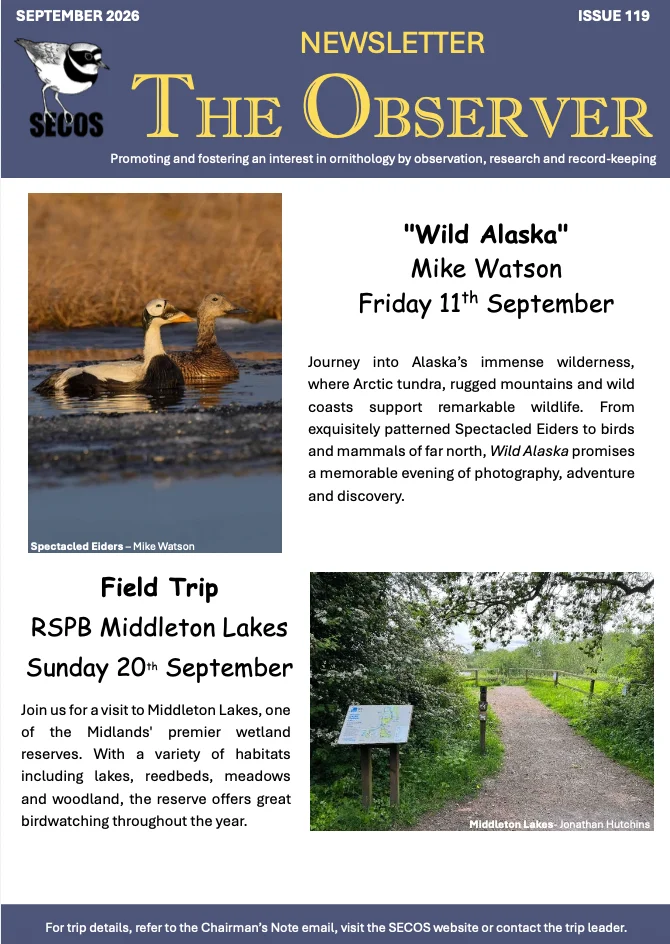
There were no SECOS meetings in August. The programme restarted in September with Mike Watson’s talk on Alaska and a trip to RSPB Middleton Lakes, which our August and September round-ups cover.
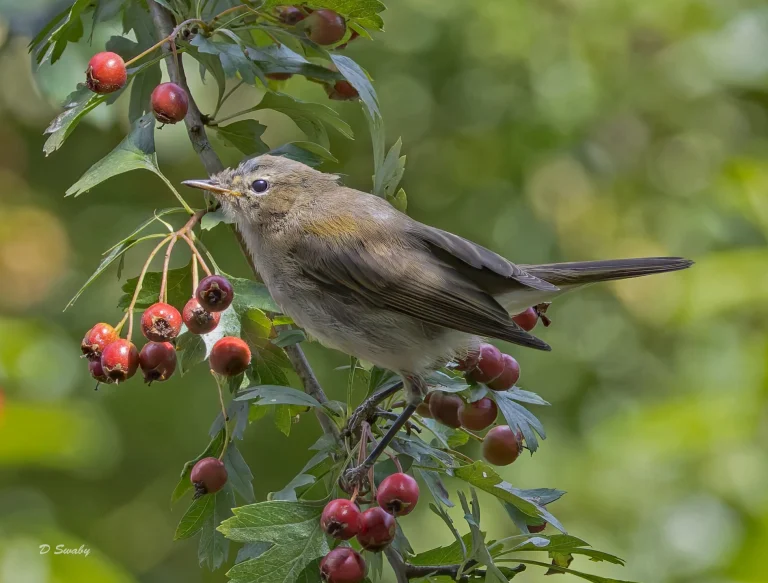
Summarised from The Observer (August 2026), with thanks to the South-East Cheshire Ornithological Society, Tom Graham and everyone who sent in records. The newsletter’s photographs are by Dennis Swaby. To read the full newsletter and join the society, visit secos.org.uk or the SECOS Facebook page.